Sector level adaptation: Human communities

In order to build adaptive capacity at the scale of the region and sub-regions, it is important to build on…

Home // News
Hmmm, this is kind of the left-over section. It’s the couldn’t-fit-in-the-other-sections section.
In order to build adaptive capacity at the scale of the region and sub-regions, it is important to build on…
Climate change impacts on ecosystems are diverse and cumulative. Managing for ecological resilience and adaptation to climate change will require…
The overall goal of climate change adaptation is to reduce vulnerability and risk associated with climate change and its impacts….
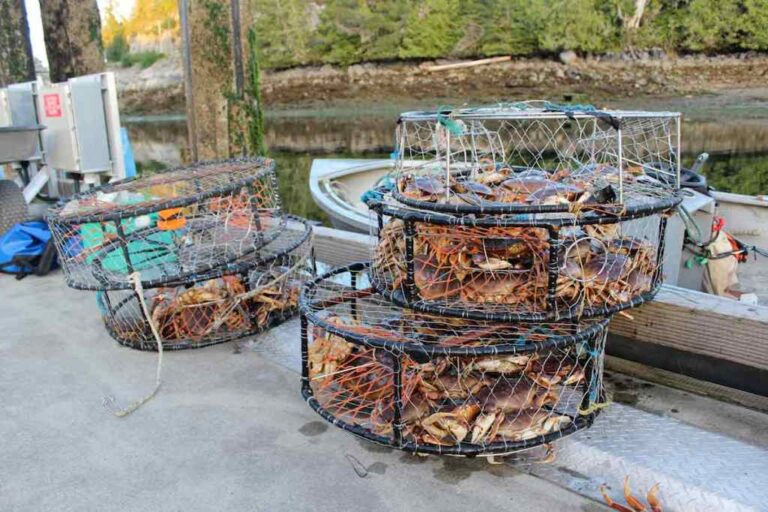
Adaptation involves both proactively preparing for expected climate changes, as well as adjusting to climate change or its impacts after…
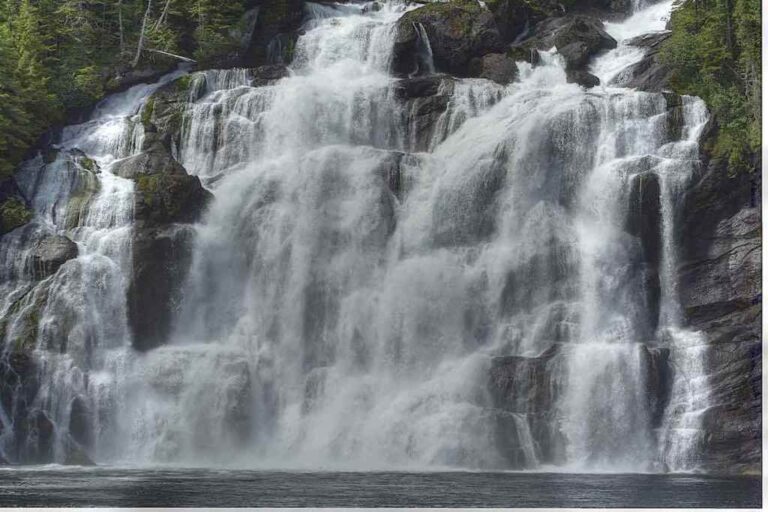
Projected changes to climate variables are likely to interact to affect the likelihood of species invasions in BC waters, as…
Models and projections of extreme weather events are lacking for coastal BC [74]. There is little available data on future…
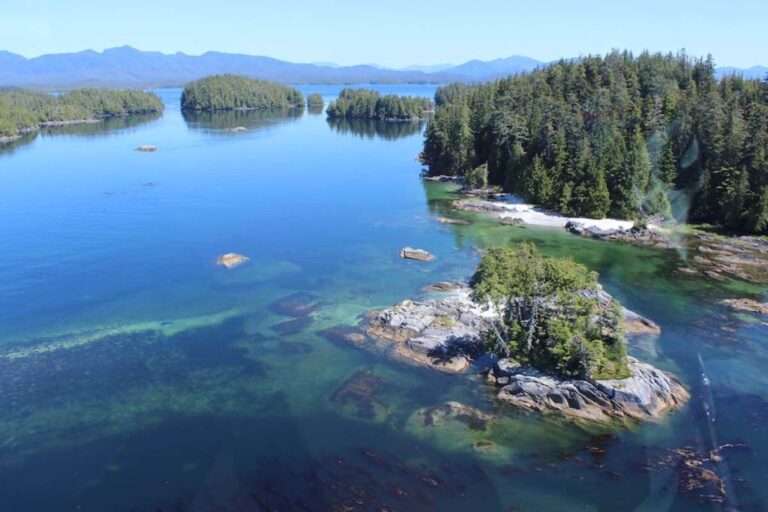
The Hakai Oceanography Program (HOP) has been maintaining year-round measurements of physical, chemical, and biological parameters on the Central Coast…
The existing state of knowledge for ocean acidification is limited, and other than global datasets, there are currently no projections…
Statistical downscaling can be used to map coarse-scale global climate model outputs to finer scale (regional or local) detail, using…
There is still a great deal of uncertainty in global climate change projections for coastal regions, and the associated vulnerabilities…

Adapting to climate change requires a comprehensive understanding of climate change projections and sectoral impacts in order to identify priorities,…
The average air temperatures in Haida Gwaii may increase by 1.4°C by the 2050s and by 2.2°C by the 2080s….

Air temperatures in the North Coast region are projected to increase by up to 2.6°C by 2080, and the sub-region…

Annual air temperatures in the Central Coast sub-region are expected to increase by approximately 1.6°C by 2050, which is similar…

It was an honour to be part of Women’s History Month this year along with 30 other women who were…
Changes in wind and wave patterns may interact with other climate change projections such as sea level rise, but the…
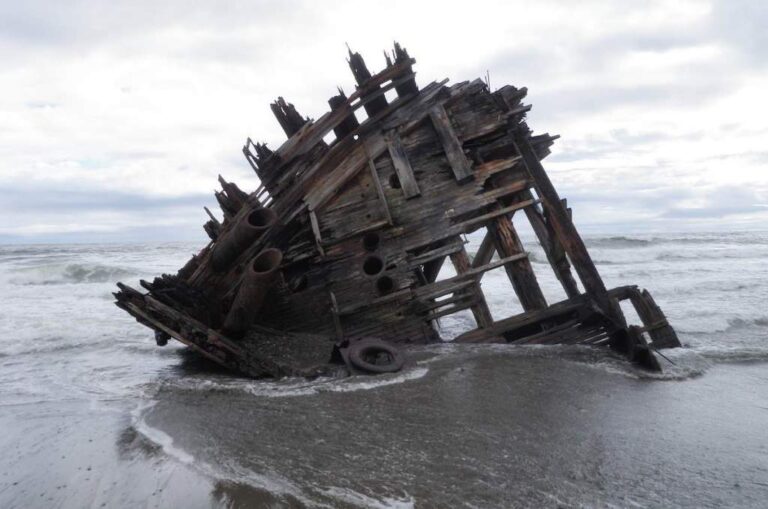
Climate change trends have in turn affected coastal ecosystems and economic sectors in BC. As of 2017, some observed impacts…
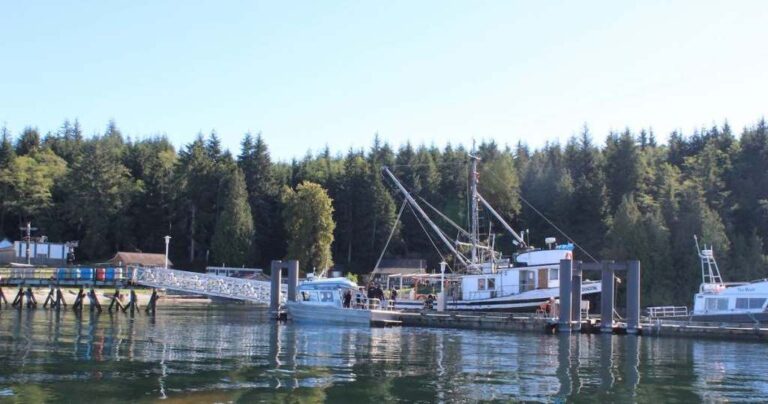
Empirical data from lighthouse station monitoring stations in 2016 reflect a long-term trend towards decreasing sea surface salinity (SSS) across…
Globally, dissolved oxygen levels in the ocean have been declining for more than two decades [53]. Declining ocean oxygen levels…
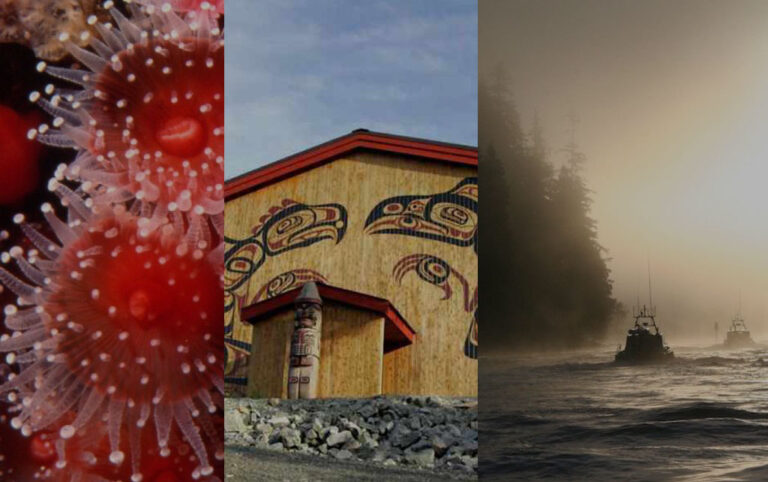
Ocean acidification is caused by the dissolution of atmospheric carbon dioxide into the oceans, which results in a decrease in…
Sea surface temperatures are monitored at lighthouse stations along the BC coastline. Average annual sea surface temperatures have warmed between…
Sea level rise is the direct result of warming temperatures that trigger increased melting of glaciers and ice caps, as…
Precipitation is a key indicator of climate change, and changes in precipitation will affect all sectors, ecosystems, and communities. In…
Air temperatures have increased throughout BC by ~1.3⁰C over the past century (from 1900-2013; rates of 0.12 – 0.13⁰C per…
Pink Sheep Media is a design and communications company.
This is our community hub. We have so many incredible researchers, writers, creators, and change-makers in our community.
